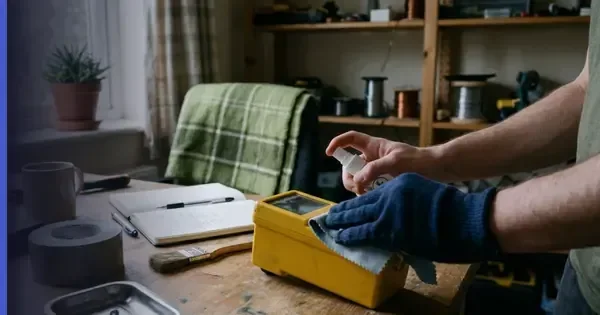
 Practical GuidesMaintain your radiation detector: 4 practices that preserve accuracy
Articles
- Practical GuidesMaintain your radiation detector: 4 practices that preserve accuracy
 Regulations and StandardsUnderstand the 3 legal boundaries for owning detection equipment
 Practical GuidesSurvey your property for contamination: scan 4 zones the right way
 Instruments ExplainedUnderstanding energy compensation: the fix that flattens your detector's response
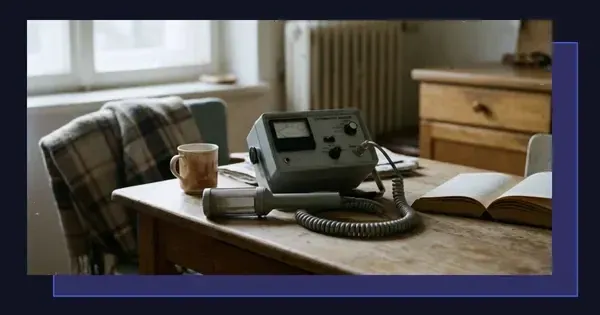 Instruments ExplainedUnderstanding contamination monitors: the detector built for scanning surfaces
 Practical GuidesIdentify radioactive rocks and minerals: your detector shows 4 signs
 FundamentalsRecognise dead time: the 3 ways it changes your detector's count
 Safety ProceduresStore your radioactive check sources safely: 3 containers that work
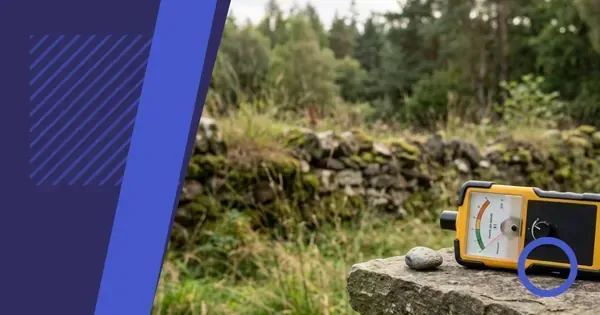 FundamentalsMaking sense of your detector's CPM readings: the 3 factors that shape every value
 Practical GuidesCalibrating your radiation detector: the verification process that keeps readings reliable
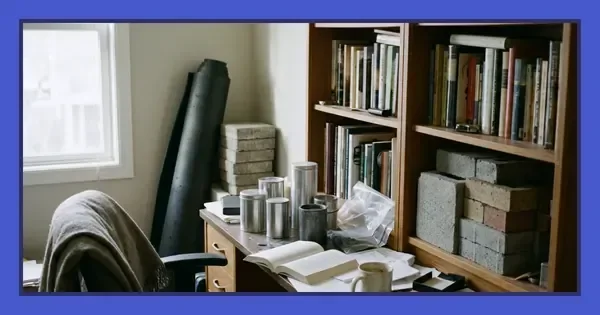 Safety ProceduresMatch your shielding to the radiation type
 FundamentalsNeutron radiation detection: the two-step process behind every reading
 Practical GuidesReading your dosimeter badge: 3 parts every result shows
 FundamentalsUnderstand dose rate: the 3 units that measure radiation exposure over time
 Practical GuidesMeasuring radon at home: 3 detector types you can use
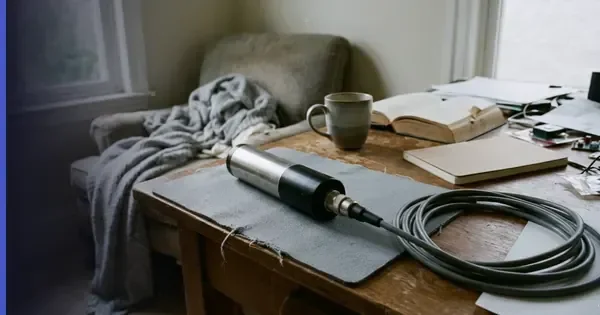 Instruments ExplainedUnderstanding scintillation detectors: the 3 parts that measure radiation through light
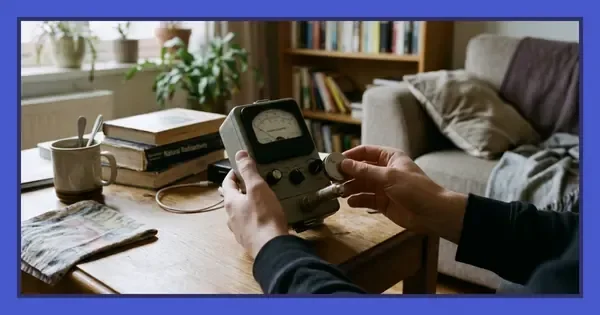 Practical GuidesTesting your Geiger counter: 3 quick checks you can do today
 FundamentalsUnderstand the 3 types of ionising radiation and what each one does
 Instruments ExplainedUnderstanding Geiger counters: the 3 parts that turn radiation into clicks
 FundamentalsWhat is background radiation? The 4 sources your detector reads every day